 ™
™RDF4J 6.0.0 is a major release of the Eclipse RDF4J framework. It adds broad RDF 1.2 and SPARQL 1.2 support, moves the project to Java 25 and Jakarta, replaces the public Apache HttpClient 4 integration, and includes improvements to LMDB, FedX, query execution, security and deployment. The 6.0.0 milestone contains 46 completed issues.
LATERAL, implemented separately from SPARQL 1.2.For a complete overview, see all issues completed for 6.0.0.
RDF4J 5.3.2 is a patch release that fixes 2 issues, including a security fix for XML parsing.
For a complete overview, see all issues fixed in 5.3.2.
This release fixes XML parsing paths that were not fully covered by the earlier fix for CVE-2018-1000644. The vulnerability class is XML External Entity (XXE) processing: specially crafted XML input may attempt to make the parser resolve external entities or DTDs, with risks such as confidential data disclosure, denial of service, or server-side requests.
RDF4J 5.3.1 is a patch release that fixes 2 performance issues.
For a complete overview, see all issues fixed in 5.3.1.
This release was made possible by contributions from Håvard M. Ottestad.
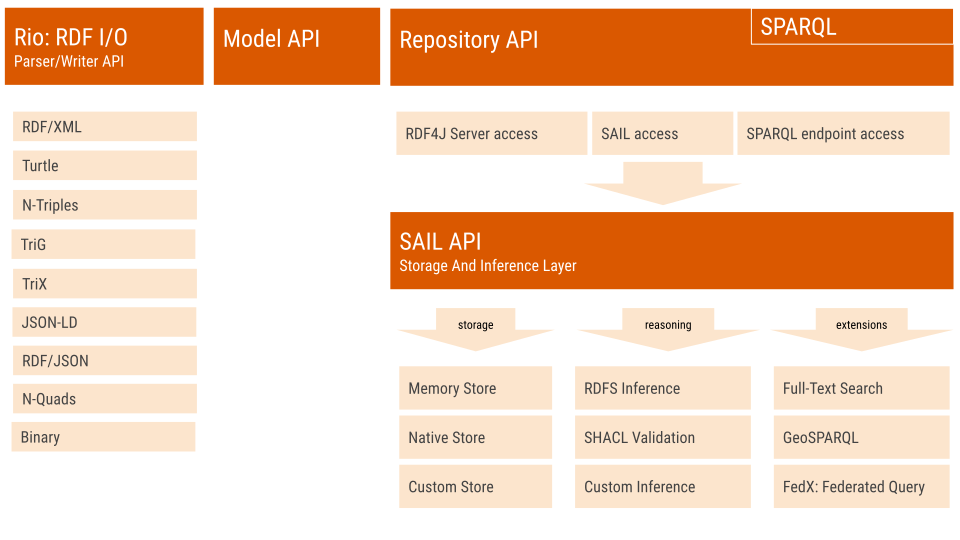
Eclipse RDF4J™ is a powerful Java framework for processing and handling RDF data. This includes creating, parsing, scalable storage, reasoning and querying with RDF and Linked Data. It offers an easy-to-use API that can be connected to all leading RDF database solutions. It allows you to connect with SPARQL endpoints and create applications that leverage the power of linked data and Semantic Web.